
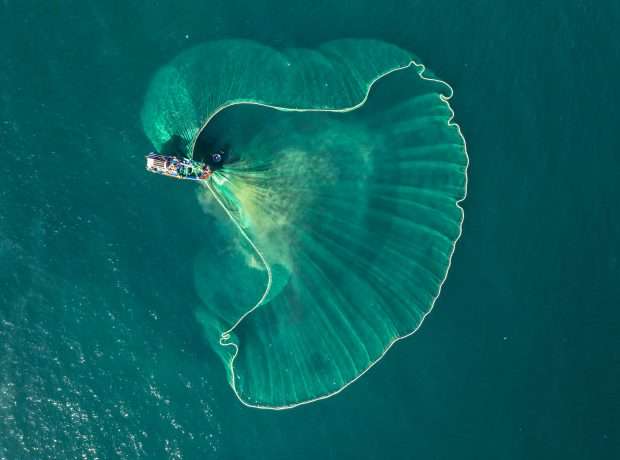

What is Aquaculture?
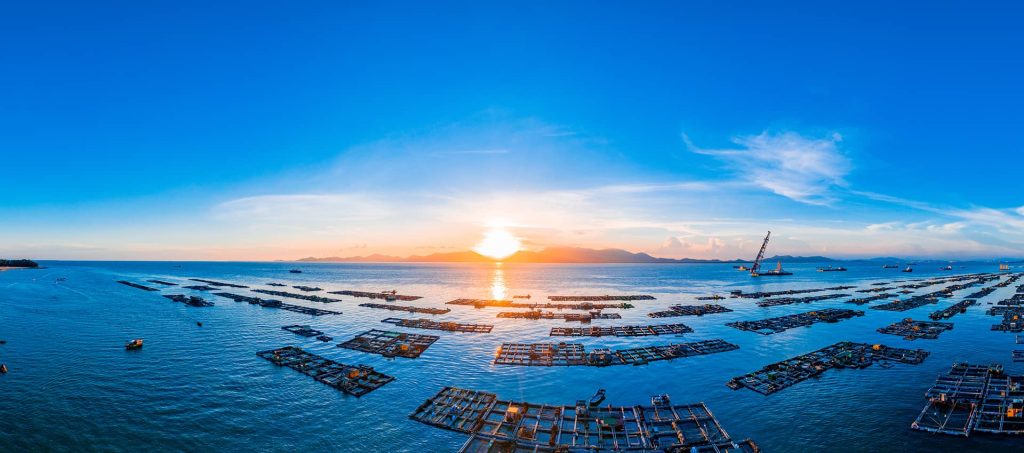
Can it sustain as a long term industry?
Aquaculture, often referred to as fish farming, is the cultivation of aquatic organisms such as fish, crustaceans, mollusks, and aquatic plants under controlled conditions. Just as agriculture provides food from the land, aquaculture supplies food from the water. This innovative practice has emerged as one of the fastest-growing food production sectors in the world, helping to meet the increasing global demand for seafood and other aquatic products.
There are several types of aquaculture, each catering to different species and environments:
Mariculture: This refers to aquaculture conducted in marine environments. Common examples include farming saltwater fish like salmon, seabass, and shellfish such as oysters, clams, and mussels.
Freshwater Aquaculture: This is the farming of species in freshwater environments like ponds, rivers, and lakes. Popular species include tilapia, catfish, and carp.
Integrated Multi-Trophic Aquaculture (IMTA): A sustainable approach that combines species from different levels of the food chain, such as fish, shellfish, and seaweed, to recycle nutrients and reduce environmental impacts.
Recirculating Aquaculture Systems (RAS): These are land-based systems that use advanced technology to filter and recirculate water, allowing for fish farming in a highly controlled environment.
Advances in technology and best practices are helping to address these challenges and unlock the full potential of aquaculture. Innovations like alternative feeds, genetic improvements, and automated monitoring systems are making aquaculture more efficient and sustainable. Additionally, the rise of integrated approaches, such as combining aquaculture with agriculture or renewable energy systems, is opening new pathways for growth.
Aquaculture represents a promising solution to the dual challenges of feeding a growing population and protecting our planet’s natural resources. By embracing sustainable practices and leveraging technology, aquaculture can continue to evolve as a cornerstone of global food security.